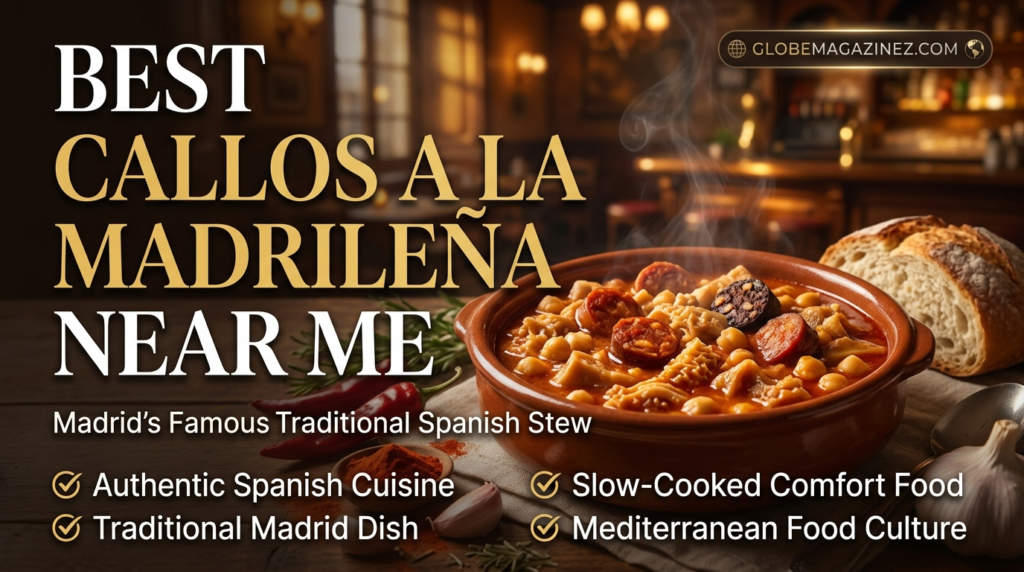
Best Callos a la Madrileña Near Me is becoming a popular search among food lovers, culinary travelers, and people interested in authentic Spanish cuisine. Callos a la Madrileña is one of the most traditional dishes from Madrid, Spain, famous for its rich slow-cooked flavor, hearty texture, smoky spices, and historical cultural roots. Many people searching for this dish online want to discover authentic Spanish restaurants, tapas bars, Mediterranean eateries, and traditional European dining experiences serving genuine Callos a la Madrileña nearby.
As global food culture continues growing through social media, food tourism, restaurant apps, and travel blogs, traditional Spanish dishes are receiving more international attention than ever before. Modern consumers now actively search for:
authentic cultural foods,
artisan recipes,
traditional European cuisine,
and historical comfort dishes.
Because of this growing interest in authentic culinary experiences, dishes like Callos a la Madrileña continue becoming more visible in Spanish restaurants, gourmet cafés, and food festivals worldwide.
What Is Callos a la Madrileña?
Callos a la Madrileña is a traditional Spanish stew strongly associated with:
Madrid
The dish is famous for its:
rich tomato-based broth,
slow-cooked tripe,
Spanish chorizo,
morcilla sausage,
and deep smoky flavor.
Traditional Callos a la Madrileña recipes usually combine beef tripe with:
paprika,
garlic,
onions,
tomatoes,
and cured Spanish meats.
The ingredients are cooked slowly for several hours until the stew develops its signature rich texture and intense aroma.
Many people describe the dish as:
hearty,
comforting,
warming,
and deeply traditional.
It is especially popular during colder seasons because of its filling nature and rich flavor profile.
In Spain, Callos a la Madrileña is considered one of the country’s most iconic comfort foods. Traditional Spanish taverns and restaurants have served the dish for generations, making it an important part of Madrid’s culinary identity and cultural food heritage.
History of Callos a la Madrileña
The history of Callos a la Madrileña dates back centuries and is closely connected with traditional Spanish home cooking. Historians believe the dish became popular in Madrid because it transformed simple and affordable ingredients into a rich and satisfying meal through slow-cooking techniques.
During earlier periods of Spanish history, working-class families commonly prepared stews using:
tripe,
sausages,
vegetables,
and local spices.
Over time, these recipes evolved into more refined regional dishes, eventually becoming famous parts of Spanish cuisine.
Callos a la Madrileña became especially associated with:
family gatherings,
winter meals,
traditional taverns,
and festive occasions.
Spanish families continued passing recipes from generation to generation, helping preserve the dish’s authenticity and cultural importance.
Today, tourists visiting Madrid often search specifically for authentic Callos a la Madrileña because it represents:
historical Spanish cuisine,
traditional Madrid culture,
and classic European comfort food.
Many chefs also consider the dish an important example of heritage cooking because it reflects old Spanish culinary traditions that still remain popular in modern dining culture.
Why Callos a la Madrileña Is Becoming Popular Worldwide
Global interest in traditional European cuisine has increased rapidly over the past decade. Modern consumers are increasingly interested in:
heritage recipes,
slow-cooked meals,
artisan food culture,
and authentic dining experiences.
Callos a la Madrileña became more internationally visible because of:
food tourism,
social media,
Spanish restaurant expansion,
and online culinary content.
Travelers exploring Spain frequently share their dining experiences online, helping traditional dishes reach international audiences.
Platforms such as:
Instagram,
TikTok,
YouTube,
and Pinterest
have significantly influenced modern food trends. Spanish cuisine performs especially well online because of its:
rich presentation,
traditional cooking methods,
and strong cultural identity.
Food bloggers regularly post:
Spanish tapas experiences,
Madrid restaurant reviews,
traditional stew recipes,
and Mediterranean cuisine guides.
Because of this online exposure, more people now search for:
traditional Spanish stew near me,
best tapas restaurants,
and authentic Callos a la Madrileña nearby.
The rise of culinary tourism has also contributed heavily to the dish’s popularity. Travelers now consider local food experiences an important part of cultural exploration, and Madrid has become one of Europe’s most respected food destinations.
Traditional Ingredients Used in Callos a la Madrileña
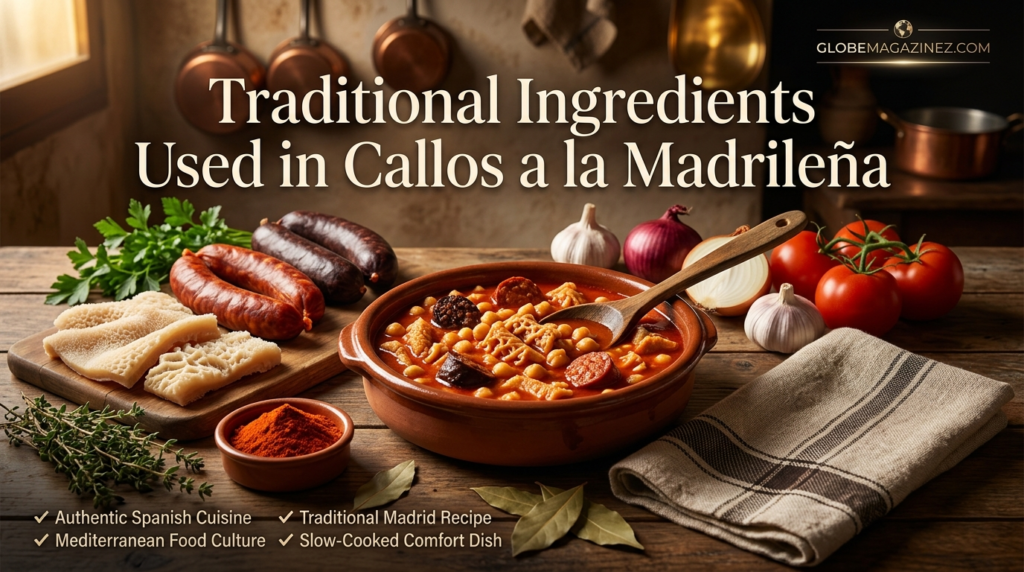
Traditional Callos a la Madrileña recipes use several authentic Spanish ingredients that create the stew’s famous texture and flavor.
Beef Tripe
Tripe is the main ingredient and gives the stew its traditional consistency. Proper slow cooking helps soften the meat while allowing it to absorb flavors from the broth and spices.
Spanish Chorizo
Spanish chorizo adds:
smoky flavor,
paprika richness,
and spicy depth.
It is considered one of the most important ingredients in authentic preparation.
Morcilla Sausage
Morcilla, a traditional Spanish blood sausage, contributes:
richness,
savory flavor,
and cultural authenticity.
Paprika
Spanish paprika gives the dish:
its deep red color,
warm aroma,
and smoky character.
Authentic Spanish paprika remains one of the key flavor components of the stew.
Garlic, Tomatoes, and Onions
These ingredients create the flavorful base of the dish while helping balance:
richness,
spice,
and texture.
Traditional preparation focuses heavily on slow cooking because it allows all ingredients to blend naturally over time.
The combination of these ingredients creates a dish that feels:
warming,
deeply flavorful,
traditional,
and satisfying.
Best Places to Find Callos a la Madrileña Near Me
People searching for the best Callos a la Madrileña near them usually look for:
authentic Spanish restaurants,
traditional tapas bars,
Mediterranean cafés,
and European dining spots.
As Spanish cuisine becomes more popular internationally, many cities now feature:
Spanish tapas culture,
Mediterranean food festivals,
and traditional European restaurants.
Food lovers commonly use:
Google Maps,
restaurant review websites,
food blogs,
and TikTok recommendations
to discover authentic Spanish dishes nearby.
Restaurants specializing in:
Spanish cuisine,
Mediterranean food,
and European comfort dishes
are the most likely places to serve authentic Callos a la Madrileña.
Some modern restaurants also create gourmet versions of the dish using:
luxury presentation,
artisan ingredients,
and fusion-style plating.
However, food enthusiasts often prefer restaurants that maintain:
traditional recipes,
classic cooking techniques,
and authentic Spanish flavor.
Food bloggers frequently recommend choosing restaurants with:
Spanish chefs,
traditional preparation methods,
and strong cultural authenticity
to experience the most genuine version of Callos a la Madrileña.
Callos a la Madrileña and Spanish Food Culture
Spanish cuisine is internationally respected because of its:
regional diversity,
traditional cooking,
and strong culinary identity.
Each region of Spain has unique dishes connected with:
local history,
family traditions,
and cultural heritage.
Callos a la Madrileña represents an important part of Madrid’s food culture because it reflects:
slow-cooked comfort cuisine,
historical tavern dining,
and traditional Spanish home cooking.
Spain’s food culture strongly emphasizes:
social dining,
family meals,
shared experiences,
and regional pride.
Traditional dishes are deeply connected with:
celebrations,
community,
and local identity.
For many Spaniards, Callos a la Madrileña is more than just a meal. It represents:
culinary nostalgia,
historical tradition,
and authentic Madrid culture.
This emotional connection helps the dish remain highly respected even as modern dining trends continue evolving.
Why Food Tourists Love Traditional Spanish Cuisine
Food tourism has become one of the fastest-growing parts of global travel culture. Modern travelers now actively search for:
authentic dishes,
local restaurants,
and traditional culinary experiences.
Spain remains one of the world’s leading culinary destinations because of its:
Mediterranean ingredients,
tapas culture,
and historical recipes.
Tourists visiting Madrid often search for:
traditional Spanish stew,
best tapas bars,
authentic Madrid restaurants,
and classic comfort foods.
Callos a la Madrileña is frequently recommended by:
travel bloggers,
food critics,
and culinary guides
because it provides a true taste of Madrid’s food heritage.
Travelers increasingly value dining experiences that feel:
authentic,
cultural,
and connected with local history.
Traditional dishes help visitors understand:
regional identity,
historical cooking methods,
and local food traditions.
Social Media and Traditional Food Trends
Social media has completely transformed how people discover international cuisine. Traditional foods that once remained local can now become globally recognized through:
food photography,
restaurant videos,
and travel content.
Spanish cuisine performs particularly well online because of its:
rustic presentation,
rich ingredients,
and artisan food culture.
Food creators regularly share:
Spanish restaurant experiences,
traditional recipe tutorials,
Mediterranean cuisine guides,
and tapas culture content.
This digital exposure continues helping traditional dishes like Callos a la Madrileña reach:
younger audiences,
food enthusiasts,
and international travelers worldwide.
Modern consumers increasingly search for:
traditional recipes,
slow-cooked comfort foods,
and culturally rich dining experiences.
Because of this trend, historical European dishes continue becoming more visible in global restaurant culture.
Health and Nutritional Interest in Traditional Stews
Many traditional European stews are appreciated because they focus on:
slow cooking,
natural ingredients,
and homemade preparation.
Callos a la Madrileña is often viewed as a hearty comfort dish because it combines:
proteins,
vegetables,
spices,
and rich broth.
Traditional slow cooking techniques help develop:
deep flavor,
soft texture,
and satisfying consistency.
Many food enthusiasts appreciate heritage recipes because they feel more authentic and less processed compared to modern fast food culture.
Modern culinary trends increasingly value:
artisan preparation,
traditional recipes,
and cultural authenticity.
Because of this, historical dishes like Callos a la Madrileña continue attracting attention among people interested in:
classic European cuisine,
traditional comfort foods,
and authentic dining experiences.
Callos a la Madrileña vs Other Spanish Dishes
Spain is famous for dishes such as:
paella,
gazpacho,
croquetas,
and tortilla española.
However, Callos a la Madrileña stands out because of its:
rich stew texture,
slow-cooked preparation,
and deep smoky flavor.
Unlike lighter tapas dishes, this meal focuses more on:
comfort,
warmth,
and hearty satisfaction.
Its strong regional identity also makes it one of Madrid’s most culturally important dishes.
Food lovers interested in traditional Spanish cuisine often search for Callos a la Madrileña because it feels:
historical,
authentic,
and deeply connected with Madrid’s culinary heritage.
Many chefs consider it one of Spain’s most respected traditional comfort dishes because it reflects classic home-style cooking techniques passed through generations.
Challenges in Finding Authentic Callos a la Madrileña
Although Spanish cuisine is becoming increasingly popular globally, authentic Callos a la Madrileña can still be difficult to find in some regions.
Common challenges include:
limited Spanish restaurants,
ingredient availability,
and traditional cooking requirements.
Authentic preparation requires:
quality Spanish meats,
proper spices,
and long cooking times.
Some restaurants may serve simplified versions that lack:
traditional texture,
authentic flavor,
or cultural authenticity.
Because of this, many food lovers rely on:
restaurant reviews,
travel blogs,
and social media recommendations
to locate genuine Spanish dining experiences nearby.
As global awareness of Spanish cuisine continues growing, however, more restaurants are beginning to introduce:
traditional Madrid dishes,
Spanish comfort foods,
and artisan Mediterranean cuisine
to international audiences.
Future of Traditional Spanish Cuisine
Traditional Spanish cuisine will likely remain highly respected globally because modern consumers increasingly value:
authentic recipes,
heritage cooking,
and cultural food experiences.
Spanish restaurants continue expanding internationally through:
tapas culture,
Mediterranean dining,
and culinary tourism.
Traditional dishes like Callos a la Madrileña may become more visible in:
gourmet restaurants,
European cafés,
food festivals,
and travel-food content.
As international food culture continues evolving, traditional Spanish comfort dishes will likely remain important parts of:
culinary exploration,
restaurant trends,
and global dining experiences.
Modern food enthusiasts increasingly prefer:
regional cuisine,
slow-cooked meals,
and artisan preparation methods.
Because of this, historical Spanish dishes will likely continue attracting:
travelers,
food bloggers,
and fans of authentic European cuisine.
Continue exploring trending topics and expert-written content below.
- Best Mazamorra Morada Near Me: Authentic Peruvian Dessert Guide
- Best Piononos de Santa Fe Near Me You Must Try Today
- Best Pollo Al Chilindrón Near Me: Spanish Chicken Guide
- Thelifestyleedge Com: Modern Lifestyle & Wellness Trends
- TheSindi com Explained: Features, Safety & User Guide
- OnlyWorkMoods com Review: Features, Safety & Guide
- American Fashion Alaikas Com: Modern Style & Fashion Trends
FAQs
What is Callos a la Madrileña?
Callos a la Madrileña is a traditional Spanish stew made mainly with tripe, chorizo, morcilla, and rich tomato-based broth.
Where does Callos a la Madrileña originate?
The dish originates from Madrid, Spain.
Why is Callos a la Madrileña popular?
People enjoy its hearty texture, smoky flavor, and authentic Spanish heritage.
What ingredients are used in Callos a la Madrileña?
Traditional recipes commonly include tripe, chorizo, morcilla, paprika, tomatoes, garlic, and onions.
Is Callos a la Madrileña spicy?
The dish usually has mild smoky spice from paprika and chorizo.
Why do tourists search for Callos a la Madrileña?
It is considered one of Madrid’s most iconic traditional dishes.
Is Spanish cuisine becoming more popular globally?
Yes, Spanish food culture continues growing internationally through tourism and restaurant expansion.
What makes Callos a la Madrileña unique?
Its slow-cooked richness and strong regional identity make it stand out among traditional Spanish dishes.
Are traditional Spanish dishes culturally important?
Yes, they remain deeply connected with Spanish heritage and family traditions.
Can authentic Callos a la Madrileña be difficult to find?
Yes, authentic preparation requires specific ingredients and traditional cooking methods.
Why do food bloggers feature Spanish cuisine?
Spanish dishes are visually appealing and strongly connected with cultural dining experiences.
Will traditional Spanish comfort foods remain popular?
Yes, global interest in authentic cultural cuisine and heritage cooking continues increasing.
Conclusion
Best Callos a la Madrileña Near Me reflects the growing worldwide interest in authentic Spanish cuisine, traditional comfort food, and cultural dining experiences. This iconic Madrid stew continues attracting food lovers because of its:
rich slow-cooked flavor,
hearty ingredients,
smoky spices,
and strong historical identity.
As food tourism, social media, and global restaurant culture continue expanding, traditional Spanish dishes like Callos a la Madrileña are becoming more visible worldwide. From classic tapas bars to modern Mediterranean restaurants, more people are discovering authentic Spanish comfort foods and historical culinary traditions.
For travelers, food enthusiasts, and fans of European cuisine, Callos a la Madrileña represents much more than a simple stew. It reflects:
Spanish heritage,
family traditions,
regional identity,
and authentic culinary culture.
As global demand for traditional cuisine continues increasing, this famous Madrid dish will likely remain one of Spain’s most respected and memorable comfort foods.