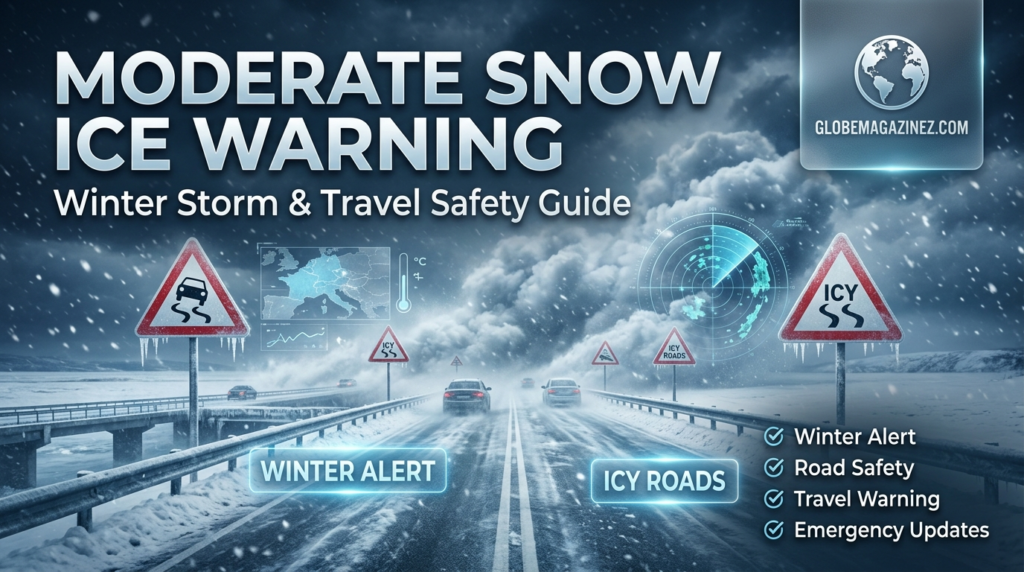
A moderate snow ice warning is an important winter weather alert issued when:
- snowfall,
- freezing rain,
- sleet,
- icy roads,
- black ice,
- or freezing temperatures
may create dangerous conditions for travel and public safety.
Winter weather warnings help communities prepare before hazardous conditions become severe. Snow and ice can rapidly affect:
- roads,
- highways,
- airports,
- schools,
- businesses,
- rail systems,
- and emergency services.
People frequently search for:
- moderate snow ice warning meaning,
- winter storm alerts,
- icy road safety,
- snow emergency preparation,
- black ice warnings,
- severe winter weather,
- and snow travel advice.
Modern weather systems can create sudden changes in road and visibility conditions, making winter alerts extremely important for:
- drivers,
- commuters,
- schools,
- local governments,
- and emergency responders.
Across the:
- USA,
- UK,
- Canada,
- and Europe,
winter weather warnings continue helping reduce: - accidents,
- travel disruptions,
- and public safety risks.
As climate conditions and weather forecasting technology continue evolving, snow and ice alerts remain essential tools for modern communities.
What Is a Moderate Snow Ice Warning?
A moderate snow ice warning generally refers to weather conditions where:
- moderate snowfall,
- icy roads,
- freezing rain,
- or slippery surfaces
can create hazardous travel and outdoor conditions.
The exact meaning may vary depending on:
- national weather agencies,
- regional climate systems,
- and local forecasting standards.
Even moderate winter weather conditions can become dangerous because snow and ice often reduce:
- vehicle traction,
- visibility,
- walking safety,
- and transportation efficiency.
A moderate warning usually indicates:
- elevated caution,
- increased travel risk,
- and possible transportation disruption.
Why Snow and Ice Warnings Are Important
Winter weather warnings are designed to:
- protect public safety,
- reduce accidents,
- improve emergency preparedness,
- and inform communities before conditions worsen.
Snow and ice create hazards because freezing conditions can affect:
- roads,
- sidewalks,
- railways,
- airports,
- bridges,
- and electrical systems.
Warnings help people:
- adjust travel plans,
- prepare emergency supplies,
- monitor forecasts,
- and avoid unnecessary risks.
Public weather alerts save lives by increasing awareness before severe conditions arrive.
Difference Between Snow Warnings and Ice Warnings
Snow warnings mainly focus on:
- snowfall accumulation,
- visibility reduction,
- and storm intensity.
Ice warnings focus more on:
- freezing rain,
- road icing,
- black ice,
- and dangerous walking conditions.
However, many winter storms include both snow and ice hazards at the same time.
This is why combined snow ice warnings are common during winter weather systems.
How Winter Storms Form
Winter storms develop when:
- cold air masses,
- moisture systems,
- and atmospheric pressure changes
combine under freezing conditions.
Storm systems may produce:
- snow,
- sleet,
- hail,
- freezing rain,
- and strong winter winds.
Weather conditions become especially dangerous when temperatures fluctuate around freezing because moisture repeatedly freezes and melts.
What Causes Black Ice?
Black ice is one of the most dangerous winter road hazards.
It forms when:
- rain,
- melted snow,
- or moisture
freezes into a thin transparent ice layer.
Black ice becomes extremely dangerous because it is difficult to see on:
- roads,
- highways,
- bridges,
- and sidewalks.
Drivers often lose vehicle control suddenly because black ice blends into the pavement.
Why Bridges Freeze Faster
Bridges and overpasses freeze more quickly because cold air circulates:
- above,
- below,
- and around the structure.
Unlike regular roads, bridges lose heat faster, making them highly dangerous during freezing weather.
This is why many winter driving accidents occur on:
- bridges,
- elevated highways,
- and ramps.
Impact of Snow Ice Warnings on Transportation
Transportation systems are heavily affected during snow and ice events.
Common problems include:
- highway accidents,
- traffic congestion,
- delayed trains,
- canceled flights,
- and public transport disruptions.
Even moderate snow conditions can significantly reduce travel efficiency.
Road safety becomes especially difficult during:
- rush hours,
- nighttime,
- and freezing rain periods.
Why Winter Driving Is Dangerous
Driving during snow and ice conditions becomes risky because tires lose traction.
Common winter driving hazards include:
- skidding,
- reduced braking distance,
- low visibility,
- hydroplaning,
- and black ice collisions.
Vehicles may slide unexpectedly on icy roads, especially when:
- braking suddenly,
- turning sharply,
- or accelerating too quickly.
Winter weather contributes to thousands of road accidents annually.
Safe Driving Tips During Snow and Ice
Reduce Speed
Driving slowly improves traction and reaction time.
Increase Following Distance
Drivers need extra braking distance during icy conditions.
Avoid Sudden Movements
Sharp turns and sudden braking increase skid risk.
Use Winter Tires
Winter tires improve grip on snow and ice.
Keep Headlights On
Visibility becomes poor during snowstorms and fog.
Carry Emergency Supplies
Drivers should carry:
- blankets,
- flashlights,
- water,
- food,
- and phone chargers.
Why Airports Are Affected by Snowstorms
Winter weather strongly impacts aviation systems.
Snow and ice can cause:
- runway closures,
- flight delays,
- poor visibility,
- and aircraft de-icing requirements.
Airports use specialized equipment for:
- snow removal,
- runway treatment,
- and aircraft de-icing.
Even moderate snow events may disrupt international travel schedules.
Importance of Aircraft De-Icing
Ice accumulation on airplanes affects:
- aerodynamics,
- lift,
- and flight safety.
Airlines use de-icing fluids to remove:
- snow,
- frost,
- and ice before takeoff.
This process is critical during freezing weather.
How Rail Systems Handle Winter Weather
Rail transportation also faces challenges during snow and ice conditions.
Winter hazards can affect:
- tracks,
- electrical systems,
- switches,
- and train schedules.
Cold temperatures may cause:
- frozen components,
- slower operations,
- and maintenance delays.
Snow Ice Warnings and Public Safety
Public safety agencies use winter alerts to:
- warn communities,
- coordinate emergency responses,
- and reduce injuries.
Authorities may issue:
- travel advisories,
- school closures,
- emergency declarations,
- and road restrictions.
Public cooperation becomes essential during severe winter weather.
Role of Local Governments During Winter Storms
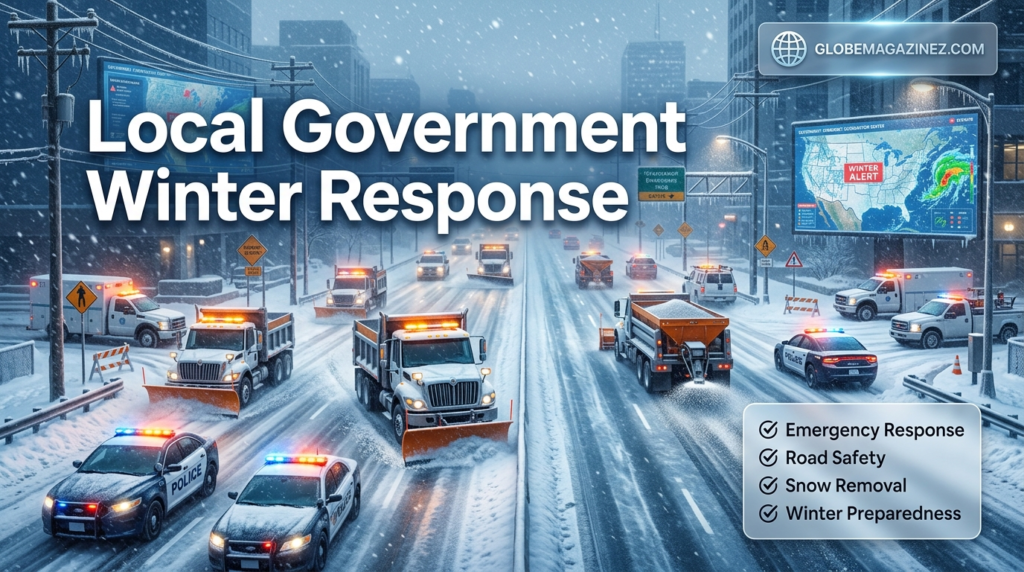
Local governments help communities by:
- clearing roads,
- spreading salt,
- managing emergency services,
- and monitoring infrastructure.
Municipal crews often work continuously during storms to improve road safety.
Winter preparedness planning is a major responsibility for local authorities.
Why Salt Is Used on Roads
Road salt helps melt ice and improve traction.
Salt lowers the freezing point of water, making roads less slippery.
However, excessive salt use may impact:
- vehicles,
- infrastructure,
- and the environment.
Many regions combine:
- salt,
- sand,
- and chemical treatments
for winter road maintenance.
Snow Plows and Winter Road Maintenance
Snow plows remove snow from:
- highways,
- streets,
- parking lots,
- and airport runways.
Road maintenance crews prioritize:
- emergency routes,
- hospitals,
- schools,
- and major transportation corridors.
Efficient snow removal improves:
- mobility,
- safety,
- and emergency response times.
How Weather Forecasting Technology Works
Modern weather forecasting relies on:
- satellites,
- radar systems,
- computer models,
- and atmospheric data analysis.
Meteorologists monitor:
- temperature systems,
- moisture levels,
- pressure patterns,
- and storm movement.
Forecasting technology improved dramatically in recent decades.
AI and Future Weather Forecasting
Artificial intelligence increasingly helps predict:
- snowfall,
- storm timing,
- icy conditions,
- and severe weather risks.
AI forecasting systems analyze massive climate datasets quickly.
Future weather technology may provide:
- faster warnings,
- hyper-local forecasts,
- and real-time hazard prediction.
Climate Change and Winter Weather
Climate change may influence winter weather patterns by affecting:
- storm intensity,
- temperature fluctuations,
- and precipitation systems.
Some regions now experience:
- unusual snowfall,
- stronger storms,
- and unpredictable freezing events.
Climate research continues studying long-term winter weather changes.
Why Schools Close During Snow Warnings
School closures occur when travel conditions become unsafe for:
- students,
- teachers,
- buses,
- and parents.
Authorities prioritize:
- transportation safety,
- road conditions,
- and weather severity.
Remote learning systems now help some schools continue education during snow emergencies.
How Businesses Respond to Snow Ice Warnings
Businesses may:
- close temporarily,
- reduce hours,
- or shift employees to remote work.
Winter weather affects:
- supply chains,
- deliveries,
- retail traffic,
- and workforce availability.
Digital work technology helped many companies adapt more effectively.
Winter Storm Preparedness at Home
Families are encouraged to prepare by storing:
- food,
- water,
- batteries,
- medicine,
- blankets,
- and heating supplies.
Preparedness becomes especially important during:
- power outages,
- road closures,
- and prolonged freezing conditions.
Why Power Outages Happen During Ice Storms
Ice storms may damage:
- power lines,
- utility poles,
- and tree branches.
Heavy ice accumulation creates stress on electrical infrastructure.
Power outages during winter weather can become dangerous because homes lose:
- heating,
- lighting,
- and communication systems.
Importance of Backup Heating and Emergency Kits
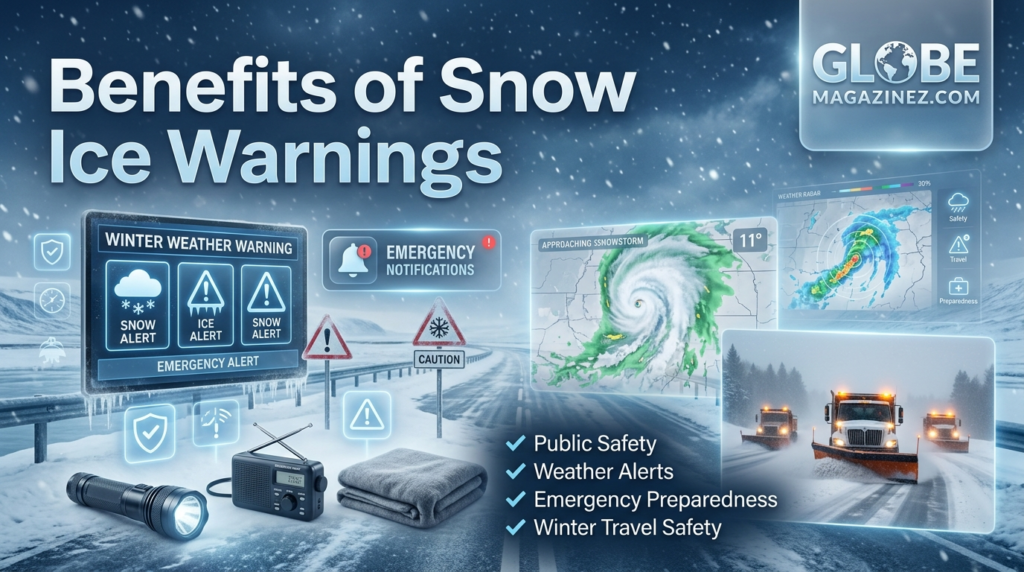
Emergency kits may include:
- flashlights,
- portable batteries,
- radios,
- first aid supplies,
- blankets,
- and emergency food.
Backup heating solutions help families stay safe during outages.
Social Media and Winter Weather Alerts
Social media transformed weather communication.
Platforms like:
- Facebook,
- X,
- Instagram,
- TikTok,
- and YouTube
spread weather alerts rapidly.
People now receive:
- live updates,
- emergency announcements,
- and road condition reports instantly.
Role of Local News During Winter Storms
Local news organizations provide:
- weather tracking,
- traffic updates,
- emergency coverage,
- and school closure announcements.
Regional journalism becomes critical during severe weather events.
Communities depend on trusted news sources for accurate information.
Mental Health and Winter Storms
Winter weather can affect mental well-being because storms may create:
- stress,
- anxiety,
- isolation,
- and travel concerns.
Long periods of cold weather may also impact:
- mood,
- energy levels,
- and daily routines.
Community support and preparedness help reduce winter-related stress.
Economic Impact of Snow and Ice Warnings
Winter storms can affect:
- transportation industries,
- retail businesses,
- tourism,
- logistics,
- and construction work.
Severe weather disruptions may cost economies millions through:
- delays,
- closures,
- and infrastructure damage.
Winter Tourism and Snow Weather
Snowy weather can also benefit:
- ski resorts,
- winter tourism,
- and seasonal recreation industries.
Some regions rely heavily on winter sports tourism during snowy months.
However, extreme ice conditions may still disrupt tourism operations.
Importance of Community Cooperation During Storms
Communities often work together during winter emergencies by:
- checking on neighbors,
- sharing resources,
- and supporting vulnerable individuals.
Strong community cooperation improves public resilience during severe weather.
Future of Winter Weather Preparedness
Future preparedness systems may include:
- AI weather alerts,
- smart road sensors,
- automated emergency messaging,
- and advanced climate monitoring tools.
Technology will likely improve:
- forecasting accuracy,
- emergency coordination,
- and public safety responses.
Benefits of Snow Ice Warnings
Improved Public Awareness
People receive advance notice before dangerous weather arrives.
Safer Travel Decisions
Drivers can adjust plans and avoid risky conditions.
Better Emergency Response
Authorities prepare resources before storms intensify.
Reduced Accident Risk
Warnings help prevent crashes and injuries.
Stronger Community Preparedness
Residents gather supplies and prepare homes early.
Challenges of Winter Storm Conditions
Transportation Delays
Flights, trains, and roads may face disruptions.
Dangerous Road Conditions
Snow and black ice increase accident risk.
Power Outages
Ice storms may damage electrical systems.
Economic Losses
Businesses and services may temporarily close.
Emergency Resource Pressure
Storms increase demand for emergency responders.
Final Verdict
A moderate snow ice warning is an essential weather alert designed to help communities prepare for:
- snowfall,
- freezing rain,
- icy roads,
- black ice,
- and hazardous winter travel conditions.
Modern forecasting technology, emergency preparedness systems, local news reporting, and public safety coordination play critical roles in reducing:
- accidents,
- injuries,
- travel disruptions,
- and winter-related emergencies.
As climate systems and weather technology continue evolving across the USA, UK, Canada, and Europe, snow and ice warnings will remain vital tools for protecting communities during dangerous winter weather events.
Stay updated with more informative guides, reviews, and trending online topics below:
- Chester News: Latest Local Updates, Events & Community Stories
- TTweakAirline Discount: Best Flight Deals & Travel
- Funny Among Us Names: Best Sus, Meme & Troll Ideas
- Nymphology Meaning Explained: Origins, Symbolism & Trends:
- Tubefalire Explained: Streaming Platform & Digital Trends
- Playing Games on Blog PlayBattleSquare Explained
FAQs
What does a moderate snow ice warning mean?
It means snow and icy conditions may create hazardous travel and safety risks.
Why are winter weather warnings important?
They help communities prepare before dangerous conditions worsen.
What is black ice?
Black ice is a transparent icy layer that is difficult to see on roads.
Why is winter driving dangerous?
Snow and ice reduce tire traction and braking ability.
Why do airports delay flights during snowstorms?
Runway icing and low visibility affect aviation safety.
How does road salt help during winter storms?
Salt lowers the freezing point of water and melts ice.
Why do bridges freeze faster than roads?
Cold air circulates above and below bridges, causing faster freezing.
How does AI improve weather forecasting?
AI analyzes climate data to improve storm prediction accuracy.
Why do schools close during snow warnings?
To protect students and staff from dangerous travel conditions.
Can snowstorms cause power outages?
Yes, ice and heavy snow can damage electrical infrastructure.
How does social media help during winter storms?
It spreads weather alerts and emergency information quickly.
Will winter forecasting technology continue improving?
Yes, AI, satellites, and advanced radar systems continue improving forecasts.
Conclusion
The growing importance of moderate snow ice warning alerts highlights how essential:
- weather forecasting,
- emergency preparedness,
- and public safety systems
have become in modern society.
As forecasting technology, AI climate systems, and emergency communication tools continue advancing worldwide, winter weather alerts will remain critical for helping communities stay informed, prepared, and safe during hazardous snow and ice conditions.